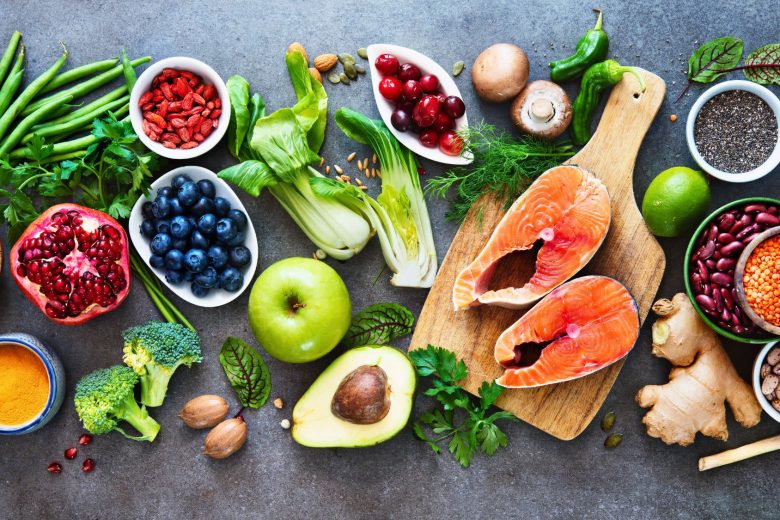
Building Balanced Eating Habits That Encourage Heart-Friendly Living
Nutrition plays an important role in overall wellness, including the health of the cardiovascular system. While no single food determines health outcomes, balanced eating patterns can support the body’s natural processes and contribute to a healthy lifestyle.
A well-rounded diet often includes a variety of foods from multiple food groups. Fruits, vegetables, whole grains, and sources of protein are commonly recommended as part of balanced meals. These foods provide nutrients that support many functions throughout the body.
Fruits and vegetables are often highlighted in discussions about healthy eating patterns. They contain vitamins, minerals, and natural plant compounds that contribute to overall nutritional balance. Many people aim to include a wide range of colorful produce in their meals to diversify nutrient intake.
Whole grains are another commonly discussed component of balanced nutrition. Foods such as oats, brown rice, and whole-grain breads provide fiber and other nutrients that support digestive health and general well-being. Incorporating whole grains into daily meals can add variety and nutritional value to a diet.
Healthy sources of protein also play an important role in daily nutrition. Foods such as legumes, nuts, seeds, fish, and lean protein sources are often included in balanced meal plans. These foods help provide essential nutrients needed for normal body function.
Another important aspect of heart-friendly eating is moderation. Rather than focusing on strict limitations, many nutrition experts encourage balanced portions and thoughtful food choices. Enjoying a variety of foods while maintaining reasonable portion sizes can help support sustainable eating habits.
Hydration should also be considered part of daily nutrition. Water supports many bodily processes and helps maintain general comfort. Choosing water regularly throughout the day may contribute to overall hydration and well-being.
Planning meals in advance can make balanced eating easier. Preparing simple meals at home, keeping nutritious snacks available, and maintaining regular meal times are practical strategies that many individuals find helpful.
Ultimately, heart-friendly nutrition is about long-term patterns rather than occasional changes. By focusing on variety, balance, and moderation, individuals can develop eating habits that support overall wellness and contribute to a healthy lifestyle.